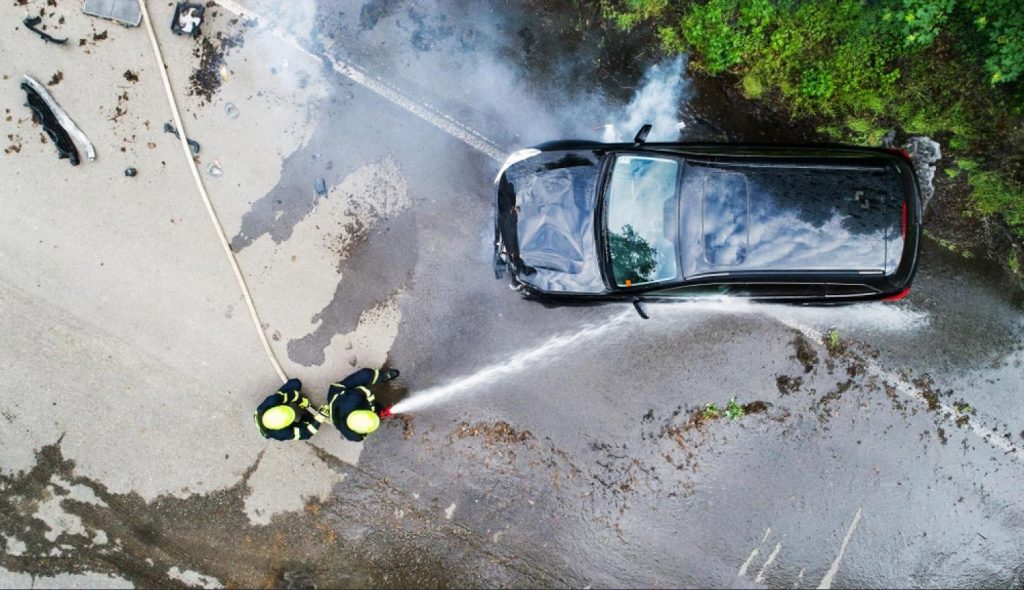
A car accident in Dubai rarely gives you time to think. One second the traffic on Sheikh Zayed Road is flowing, the next you are standing on the shoulder trying to remember what you are supposed to do first. The UAE has strict rules about how drivers must react at the scene, and the order in which you take those steps affects everything that comes later, from your police report to your insurance payout.
This guide walks through exactly what to do, in the sequence Dubai Police expect, whether the crash is a minor bumper scrape in a mall car park or a serious collision on the highway. Print it, save it to your phone, or leave it in the glove box. The moment you need it, you will not want to be searching online.
Step 1
Secure the scene before anything else
The first minute after an accident is about preventing a second accident. Turn on your hazard lights immediately, even if the car has only rolled to a stop in a slow lane. In Dubai’s heat and speed, drivers behind you may not spot a stationary vehicle until they are almost on top of it.
If you can safely step out, place the warning triangle at least 50 metres behind your car on a normal road, and further on a highway. Every UAE-registered vehicle is required to carry one, and traffic police do check.
- Switch on hazard lights the instant you stop.
- Set the warning triangle well behind the vehicle.
- Keep passengers away from live traffic lanes.
- Do not stand between two damaged cars, stand on the pavement side.
Step 2
Check for injuries and call for help
Once the scene is visible to other drivers, check yourself, your passengers, and anyone in the other vehicle. Adrenaline hides pain, so look for obvious signs: bleeding, difficulty breathing, confusion, or a passenger who has not moved. If anything looks off, call 998 for an ambulance right away. For any accident involving injury, you must also call 999 for the police.
Do not try to move an injured person unless the car is on fire or in the path of oncoming traffic. Moving someone with a spinal injury can make things much worse. Stay with them, keep them talking, and wait for paramedics.
According to World Health Organization data quick emergency response is one of the largest factors in surviving a serious road crash. Getting the call in fast matters more than almost anything else you do at the scene.
Step 3
Call the police and leave the vehicles where they are
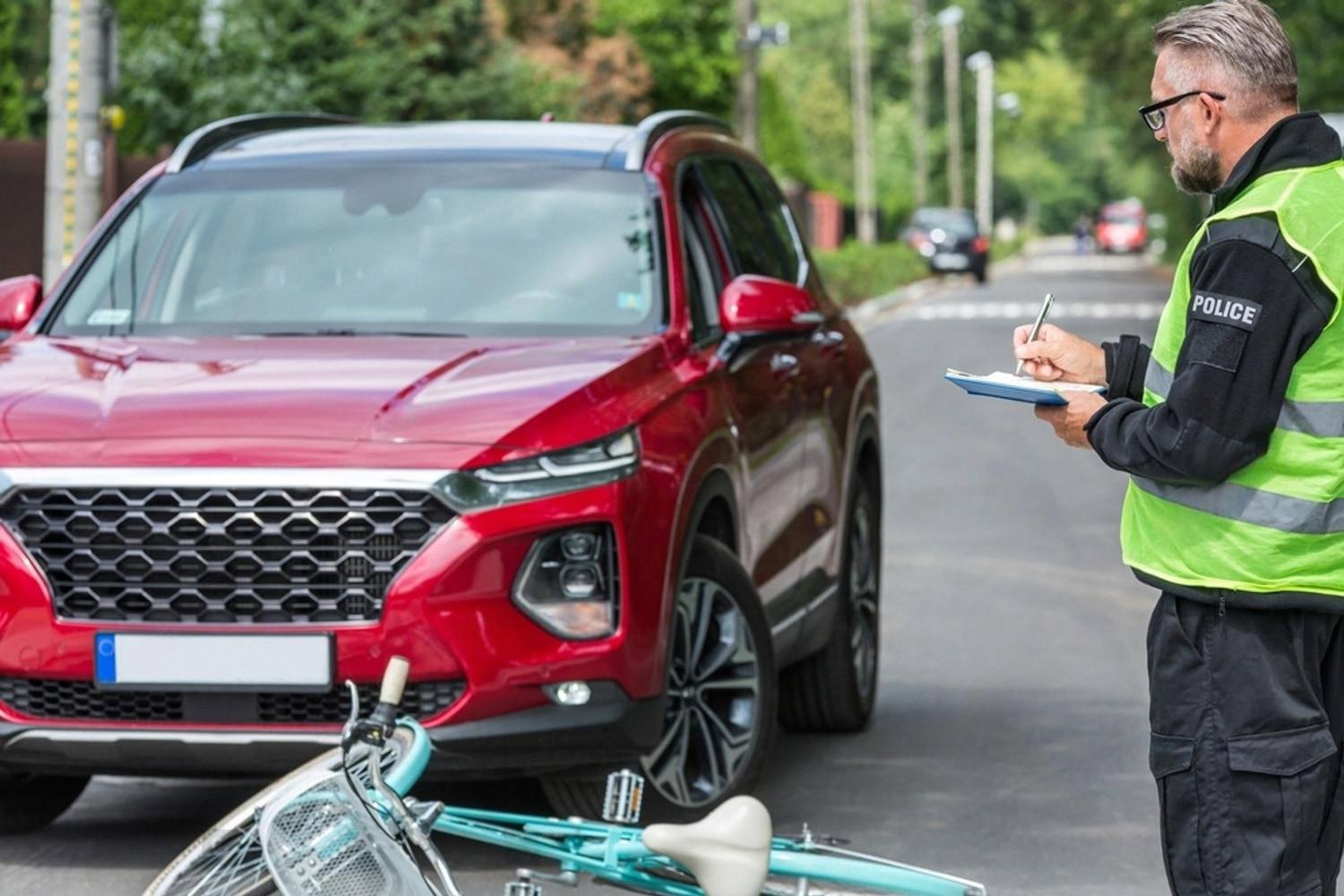
In Dubai, you must report almost every accident to the police. For a minor collision with no injuries, you can call the Dubai Police non-emergency line or use the Dubai Police smart app to file the report. For anything involving injury, dispute over fault, drunk driving, or a hit-and-run, dial 999.
Here is the part many new residents get wrong: do not move the cars until police tell you to. Even if you are blocking a lane, even if other drivers are honking, the position of the vehicles is evidence. Officers use it to decide who is at fault. Moving your car early, unless police instruct you to over the phone, can shift blame onto you and complicate your car insurance policy claim.
- Call 999 for any injury, major damage, or dispute.
- Use the Dubai Police app for minor, agreed-fault crashes.
- Stay at the scene until an officer arrives, even if the other driver leaves.
- Do not admit fault verbally, let the police assess.
Step 4
Exchange details with the other driver
While you wait, exchange the basics with the other driver calmly. Getting into an argument at the roadside helps no one and, in the UAE, aggressive behaviour can lead to its own charges. Stick to information gathering.
- Full name as it appears on the Emirates ID.
- Mobile number and a second contact if possible.
- Emirates ID number and driving licence number.
- Vehicle platemake, model, and colour.
- Insurance company name and policy number.
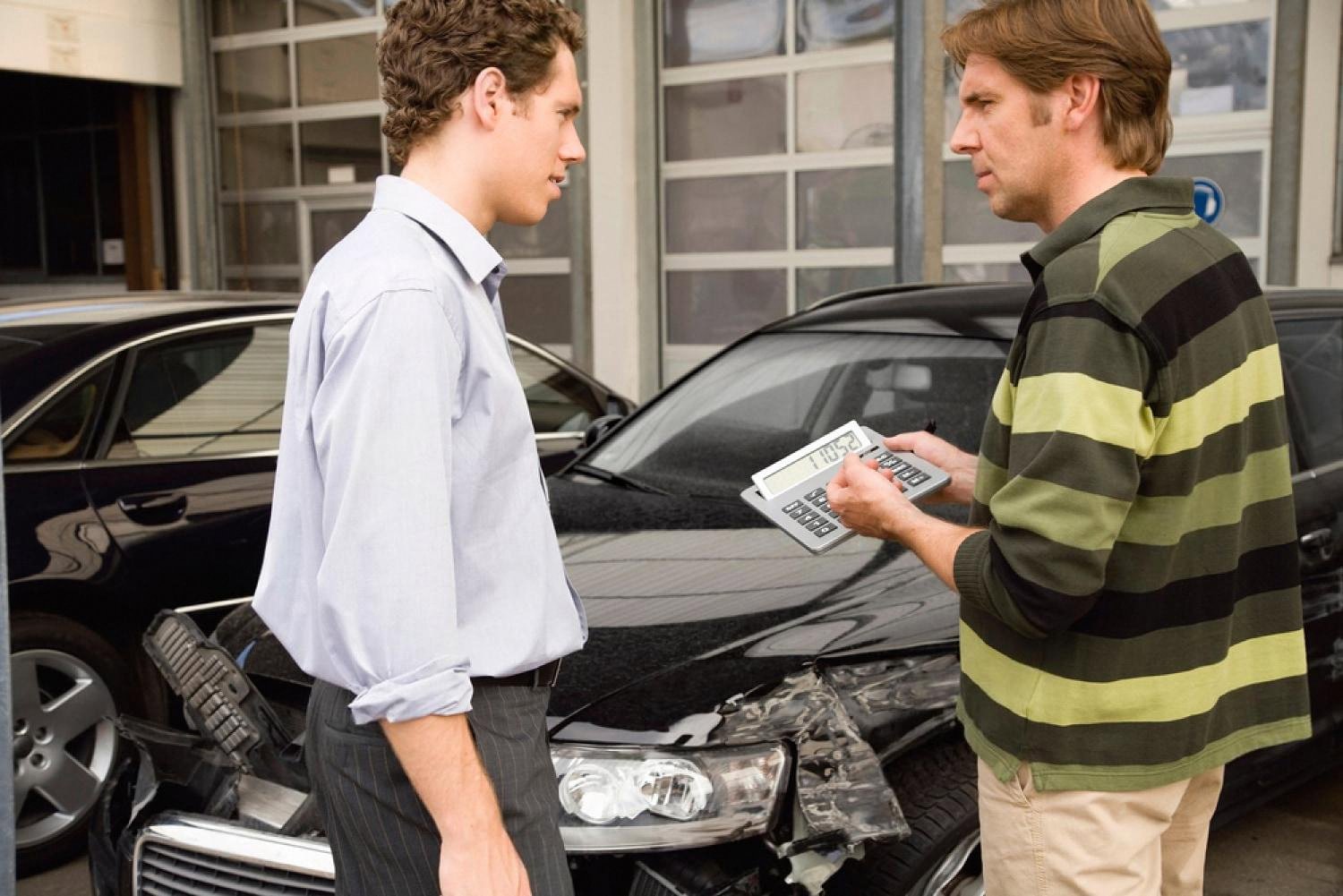
Take photos of everything: both cars from multiple angles, the licence plates, the damage close-up, the position on the road, any skid marks, and the surrounding traffic signs. These photos have saved countless claims. If there are witnesses, ask for a phone number before they drive off.
Step 5
Get the official police report
When the officer finishes assessing the scene, they will issue a report with a colour code that determines fault. In the UAE, this is the single most important document you will collect from the accident.
- Green report: you are not at fault.
- Red report: you are at fault.
- White report: no clear fault, shared responsibility.
No garage in Dubai will repair your car through insurance without this report. Keep the paper copy, and if the officer sends a digital version to your phone, save it to cloud storage as well. You will need to present it to your insurance company, and to any workshop authorised to carry out repairs.
According to Dubai Police published guidance drivers can also obtain a copy of the report later through the Dubai Police smart services app if the original is lost.
Step 6
Notify your insurer and arrange repairs
Once you have the police report in hand, call your insurance company. Most Dubai insurers ask you to notify them within 24 to 48 hours, and some policies become void if you delay longer. The insurer will tell you which garages are in their network, whether you have agency repair coverage, and how to submit photos of the damage.
If the car is not drivable, ask the police officer to authorise a recovery truck at the scene. Trying to drive a damaged car home can create fresh problems: a leaking radiator, a bent wheel that damages the axle further, or a police fine for driving an unsafe vehicle.
A quick recap of the sequence
- Hazard lights on, warning triangle out. Make the scene visible.
- Call an ambulance if anyone is hurt (998).
- Call the police (999 for anything serious) and do not move the vehicles.
- Exchange details with the other driver and photograph everything.
- Collect the police reportgreen, red, or white.
- Notify your insurer within the deadline in your policy.
The whole process, from crash to leaving the scene, usually takes between 30 minutes and two hours in Dubai. Knowing the order in advance is what turns a stressful morning into a manageable one.
Frequently asked questions
Do I have to call the police for a minor accident in Dubai?
Yes. Even for small bumps in a parking lot, a police report is required before any insurance-covered repair. For very minor cases with no injuries and no dispute, you can file the report through the Dubai Police smart app instead of waiting for an officer at the scene.
What happens if I move my car before the police arrive?
Unless the police instruct you to move it over the phone, or the vehicle is creating an immediate danger, moving it can shift fault onto you. The position of the cars is one of the main things officers use to decide who caused the accident, so leave them where they stopped.
What is the difference between a green, red, and white police report?
A green report means you are not at fault, a red report means you are at fault, and a white report means fault is shared or unclear. The colour affects how your insurance handles the claim and whether your no-claims discount is preserved.
How quickly do I need to inform my insurance company?
Most UAE motor policies require notification within 24 to 48 hours of the accident. Check your specific policy document, because delays beyond that window can give the insurer grounds to reject the claim.
What documents should I always keep in my car in Dubai?
Your driving licence, vehicle registration (Mulkiya), insurance certificate, Emirates ID, and a warning triangle. Some drivers also keep a small first-aid kit and a phone charger, which are useful if you end up waiting at the scene for an hour or more.
Can I claim insurance if the other driver has no valid insurance?
Yes, but the process is more complicated. If the police report shows you were not at fault, your insurer will usually pursue the other driver directly. Comprehensive policies typically still cover your repairs, while third-party-only policies may leave you paying out of pocket and chasing the other driver through the courts.
What should I do if the other driver flees the scene?
Call 999 immediately and report a hit-and-run. Try to record the number plate, the make and colour of the car, and the direction it took. Dubai has extensive CCTV coverage, and police often trace hit-and-run drivers using traffic cameras, so your report matters.